

For my birthday this year, Ben had a brainstorm. He had read in the Philadelphia Inquirer about a retired private investigator and law enforcement agent originally from South Philly, James Trovarello, who has developed a small enterprise researching Italian American clients’ family trees. Why not engage his services for my birthday present, rather than buy more stuff to add to the piles of clutter? Great idea!
Like most people, I have always been interested in knowing more about the lives of my forebears. No one seems braver to me than immigrants setting off for the great unknown, probably forever, whether it’s on a ship leaving Napoli, or a long trek through Latin America. While I already know a good deal, I was eager to learn more about my ancestors’ lives back in Italy, and their lives once they arrived. I am always struck by how the guests on Henry Louis Gates’ Finding Your Roots program burst into tears when he reveals that their great-grandfather was a cobbler or some such thing back in the old country. It seems we hunger for even the most prosaic bit of insight into who our ancestors were, and from that, who we are today.
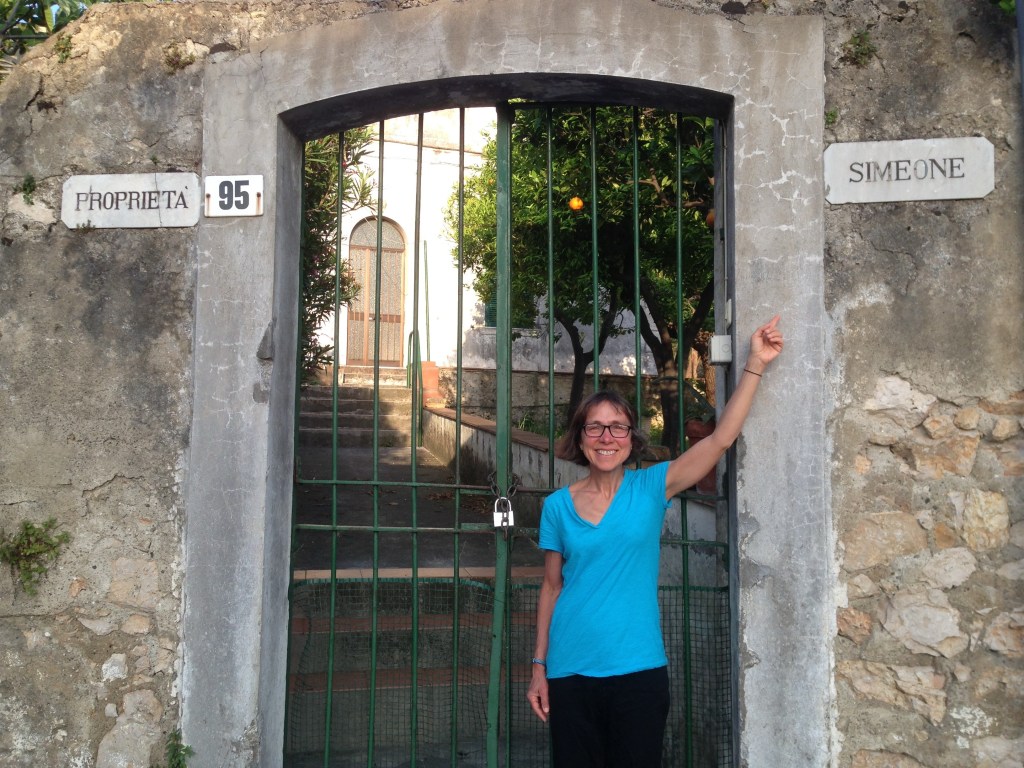
Mr. Trovarello did a lovely job working from the information I was able to give him, going back through the census, birth and death records, ship manifests, and military registrations. I stopped him at the point of my grandparents’ births, as I didn’t think he would be able to find much beyond birth, marriage and death records. That’s not of huge interest to me, but I do get a charge out of seeing the same names used over and over again, in the great Italian tradition of naming children after one’s parents, paternal side first. I would be rich if I had a nickel for every Angela Simeone in my immediate family tree.
So what did I learn? My maternal grandfather, Antonio Casella, came to the US from the southern Italian village of Trivigno, at age 11 in 1886. His father was listed as a property owner, whatever that means, so it does not seem that my grandfather was escaping the abject poverty experienced by so many who fled to America.
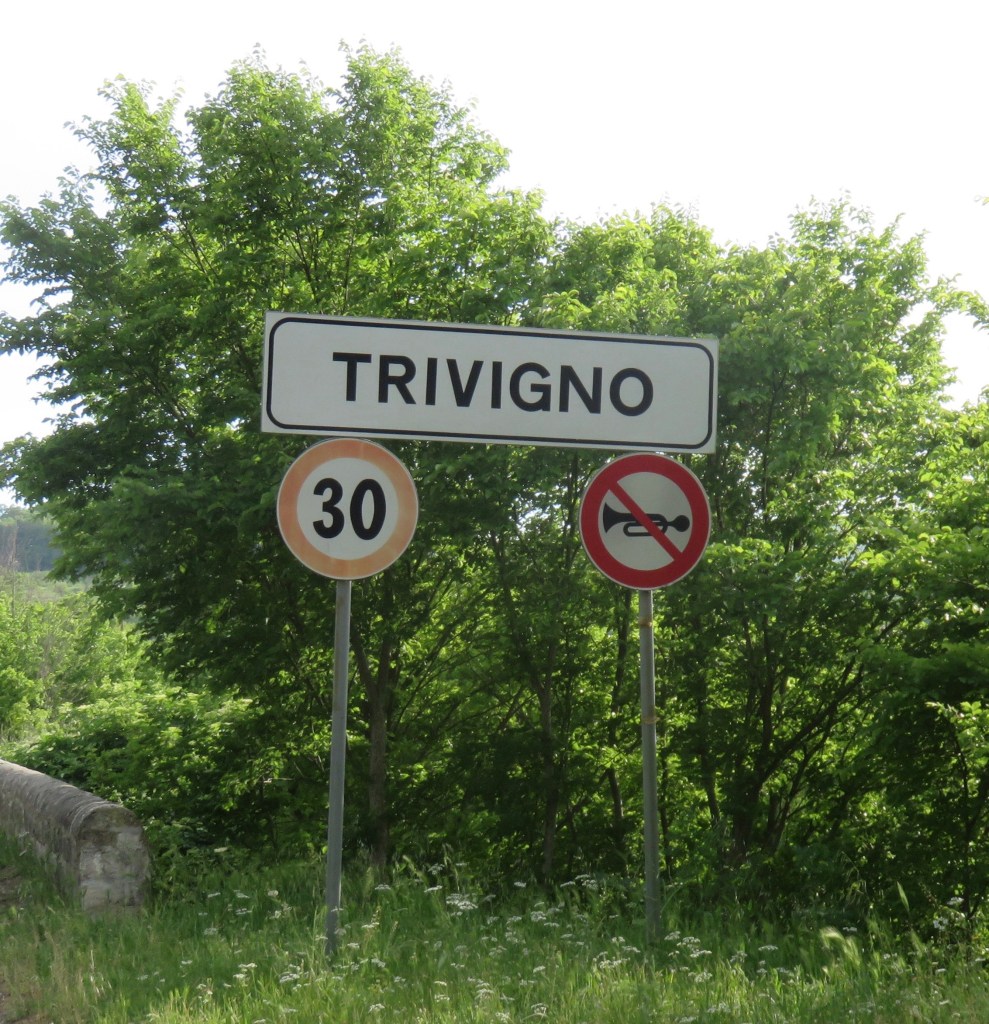
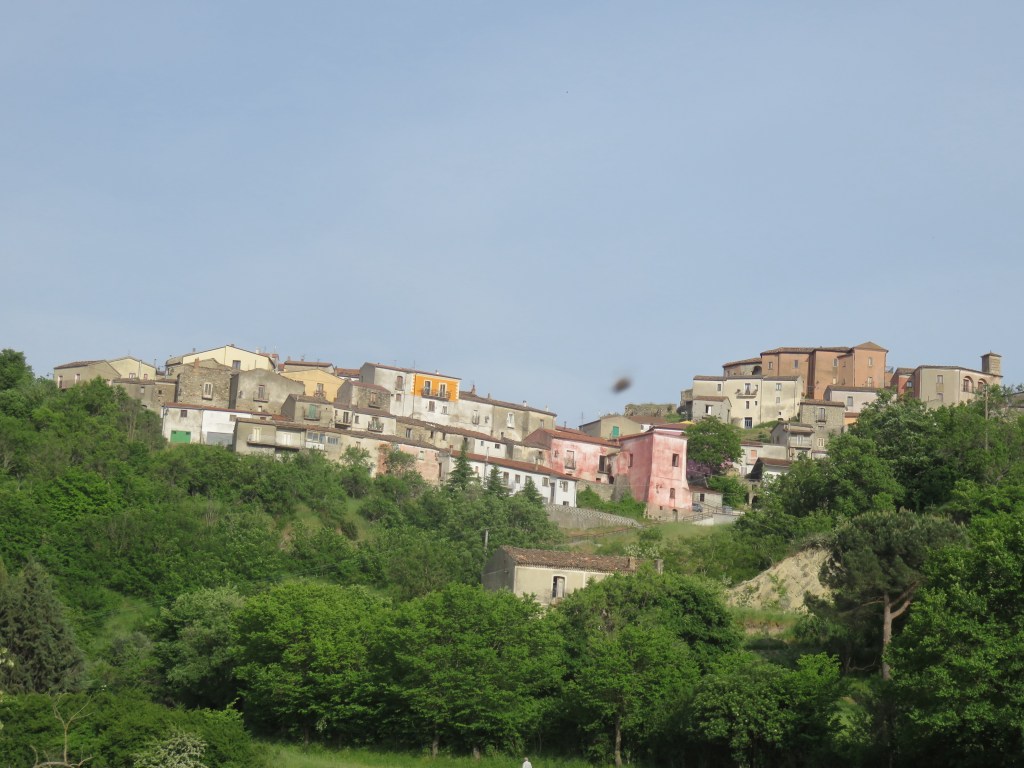
Family lore has it that he was then so miserable living with his older sisters in Chicago that he and some friends ran away to a monastery in Iowa, where they took him in until he was old enough to live on this own, but Mr. Trovarello was not able to find any documentation of that. I went so far as to reach out to a Trappist monastery in Iowa, the New Melleray Abbey, which was established in 1849 so seemed a likely candidate, to see if they had any records, or if this story even sounded plausible. They replied with blessings, but had no information. At any rate, he went on to marry my grandmother, Maria Rago, and to have twelve children, eleven of them girls. He was always described as a sourpuss, while my grandmother was much beloved.
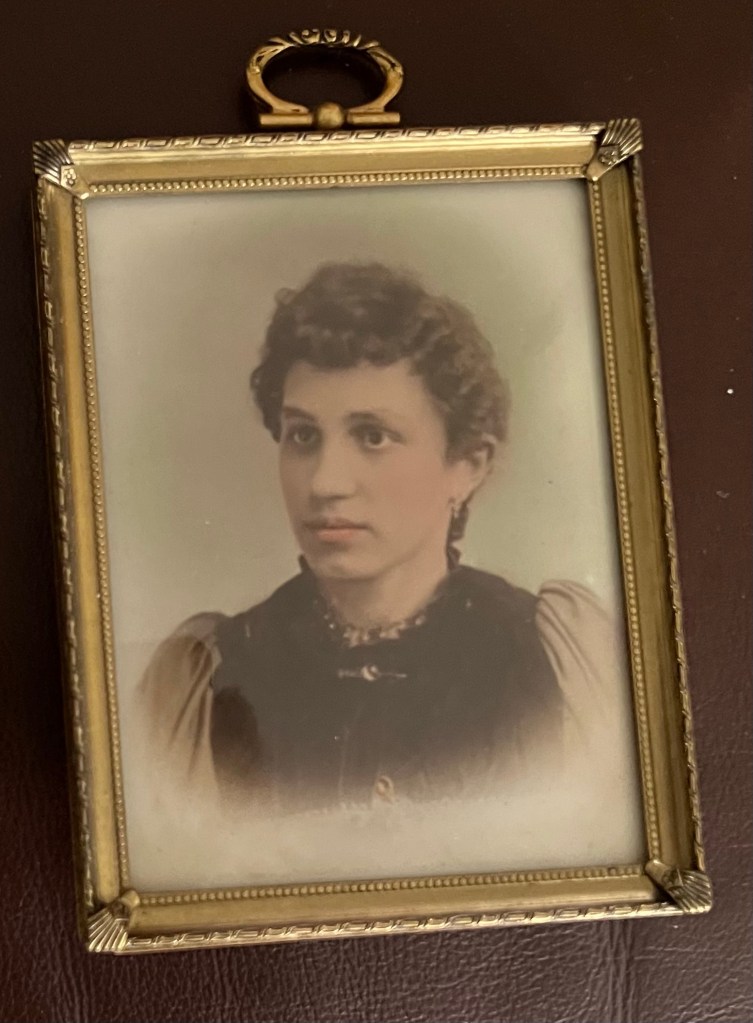
My paternal grandfather also had a bit of a reputation for being difficult, and my parents always accused me of taking after him whenever I did something they considered eccentric. The 1900 U.S. Census lists him as having come to this country in 1897, employed as a fruit dealer, and able to read and write. He filed a petition for naturalization in 1901, and became a citizen twenty-two years later, in 1923. At that time, Mr. Trovarello found, he received a passport that noted that he had an “olive complexion,” which was the practice up until the mid-20th century.
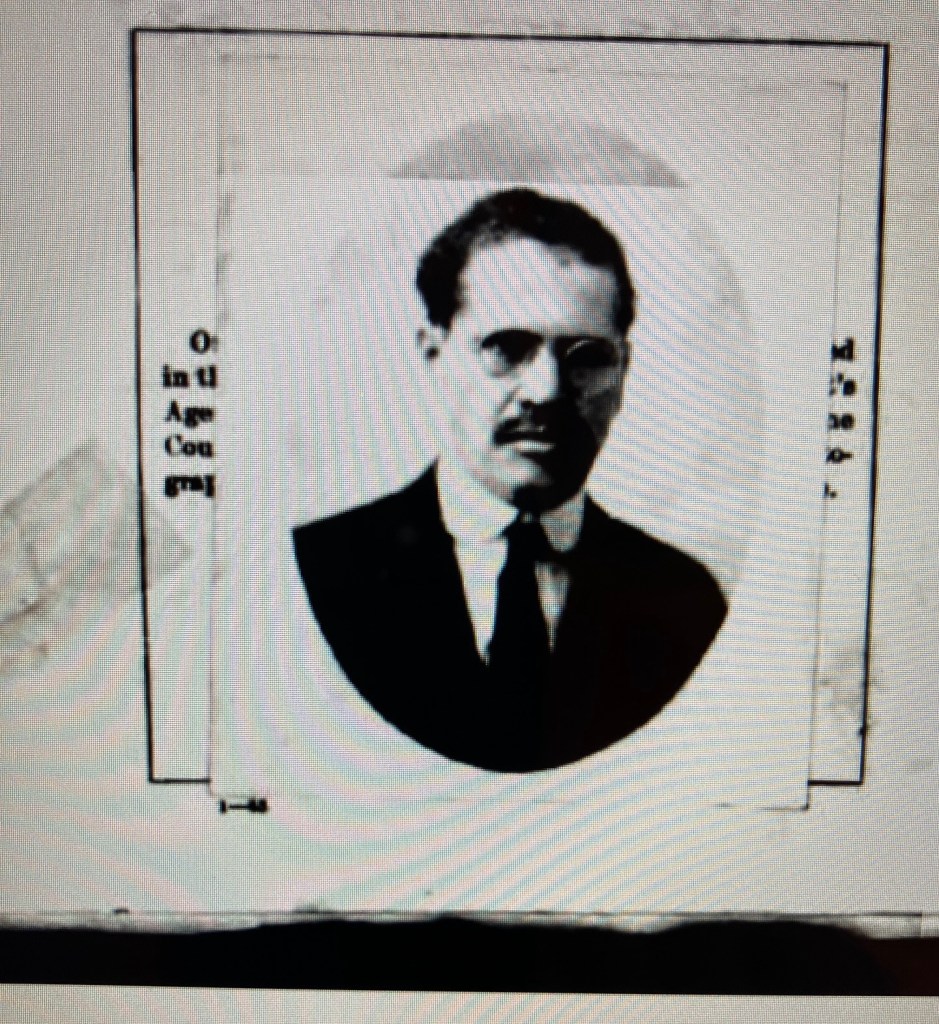
Before that, he returned to his family in Gaeta often enough to get married and have two sons, but he never lived in Italy again. Even though my father barely knew him growing up in Italy and lived with his uncle, not his father, when he came to the U.S., my family took my grandfather in for the last years of his life, and he died right in front of me when I was four years old, while we were eating lunch.
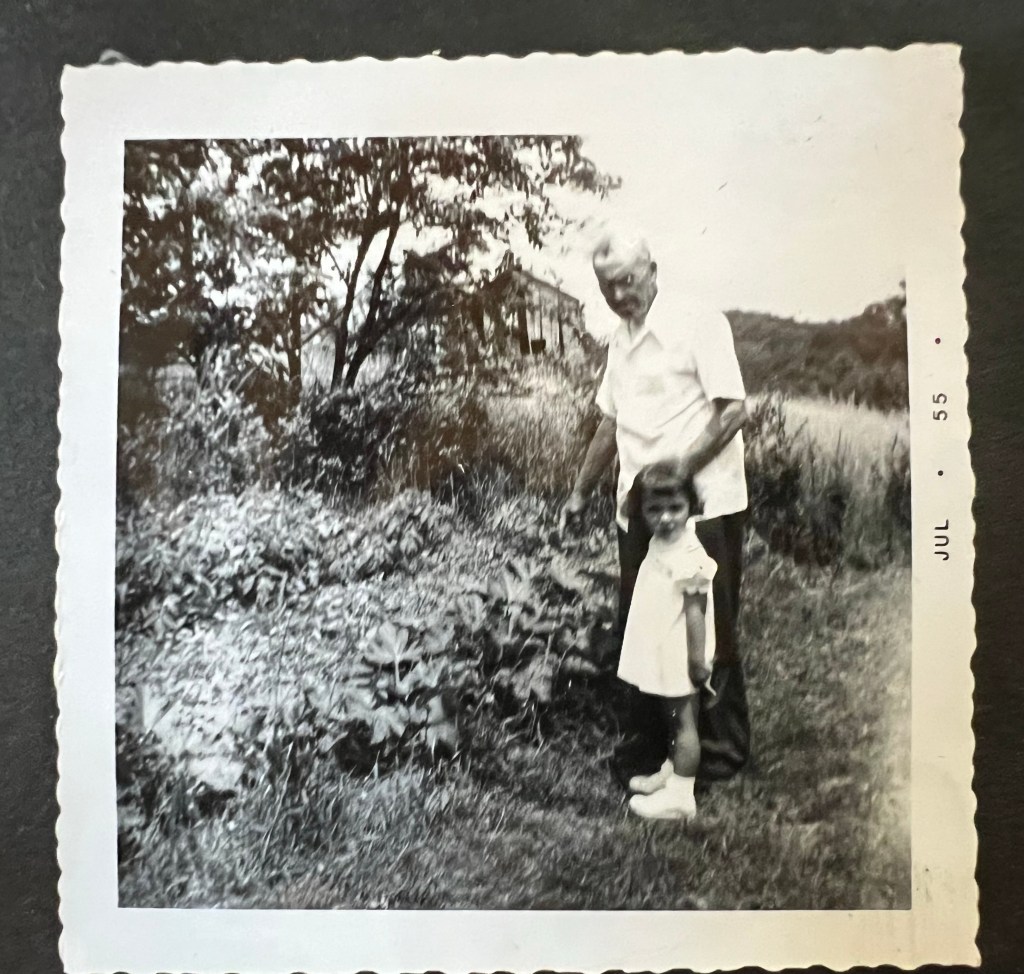
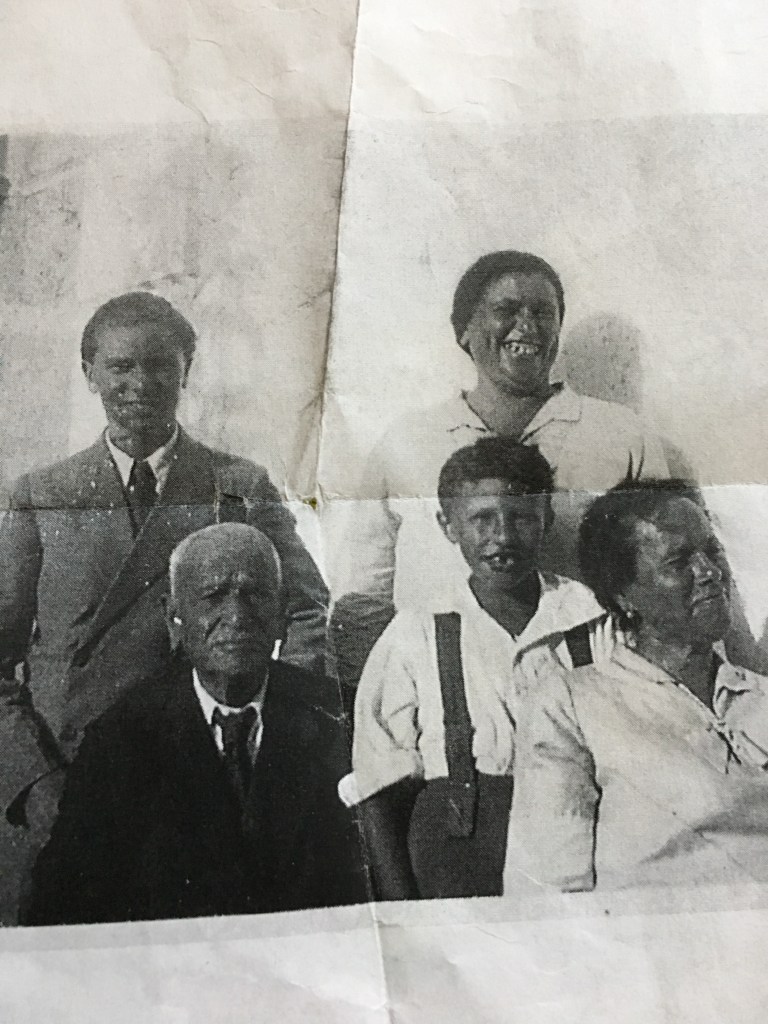
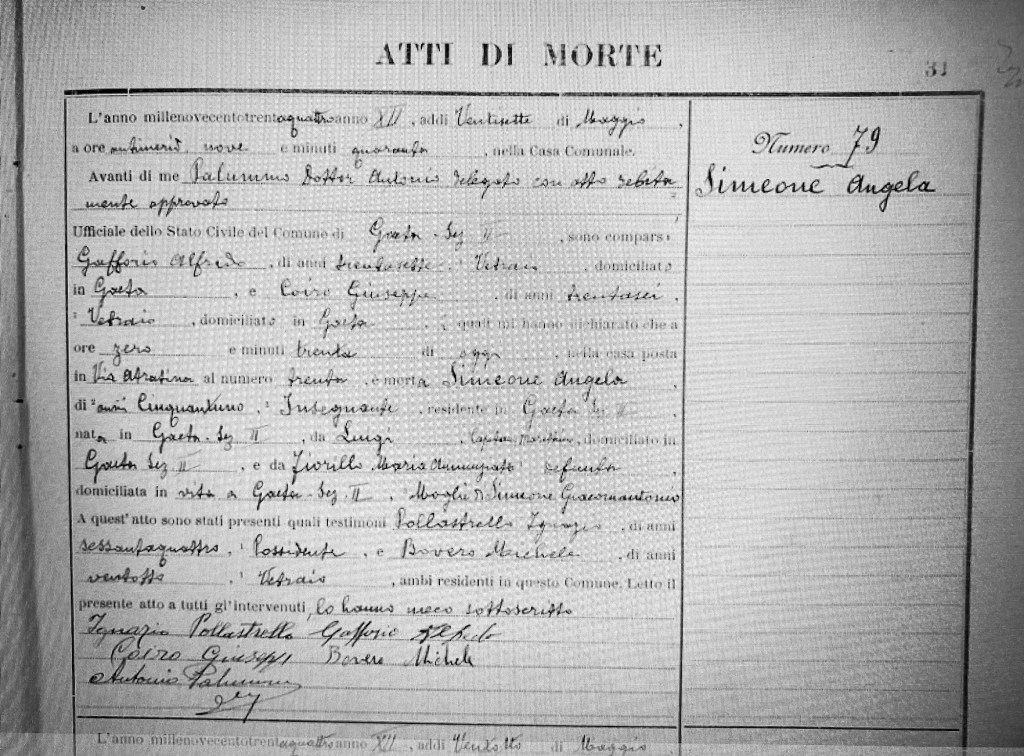
My grandmother, named Angela Simeone of course, died in 1934 at age 52 in an influenza epidemic. My father was only fourteen at the time, but thankfully, his Aunt Clara cared for him for the remaining years he lived in Italy. My grandmother had been Gaeta’s elementary school teacher, la maestra Angelina, and I have the understanding that she had left Gaeta to go to some sort of higher education for teacher training. I think that is remarkable for a young woman of that time and place, and I was hoping Mr. Trovarello could find out more about where and what that might have been. No luck there, but perhaps on one of my trips to Gaeta, I can do some research myself to find out more.
A few things he did find gave me a jolt. One was my grandmother’s death certificate.
The other was that Mr. Trovarello found that on February 17, 1942, my father reported for registration in the U.S. military. My father was sent to America in 1939 by his Aunt Clara specifically to avoid being drafted into the Italian navy, not for any noble anti-fascist feelings, but because he had extremely poor eyesight and she knew he had no chance to survive. Of course, the U.S. Army rejected him, but he had been willing to go, even possibly fighting against his beloved Italy and his brother, cousin and all his friends in the Italian navy, after only three years living here. I know he was heartsick when the radio first mistakenly reported that the Allies had invaded Gaeta, in what turned out to be the Anzio invasion about fifty miles up the coast. He always talked about this very matter-of-factly, but I wished I had asked him more about what it was like to have these two loyalties.
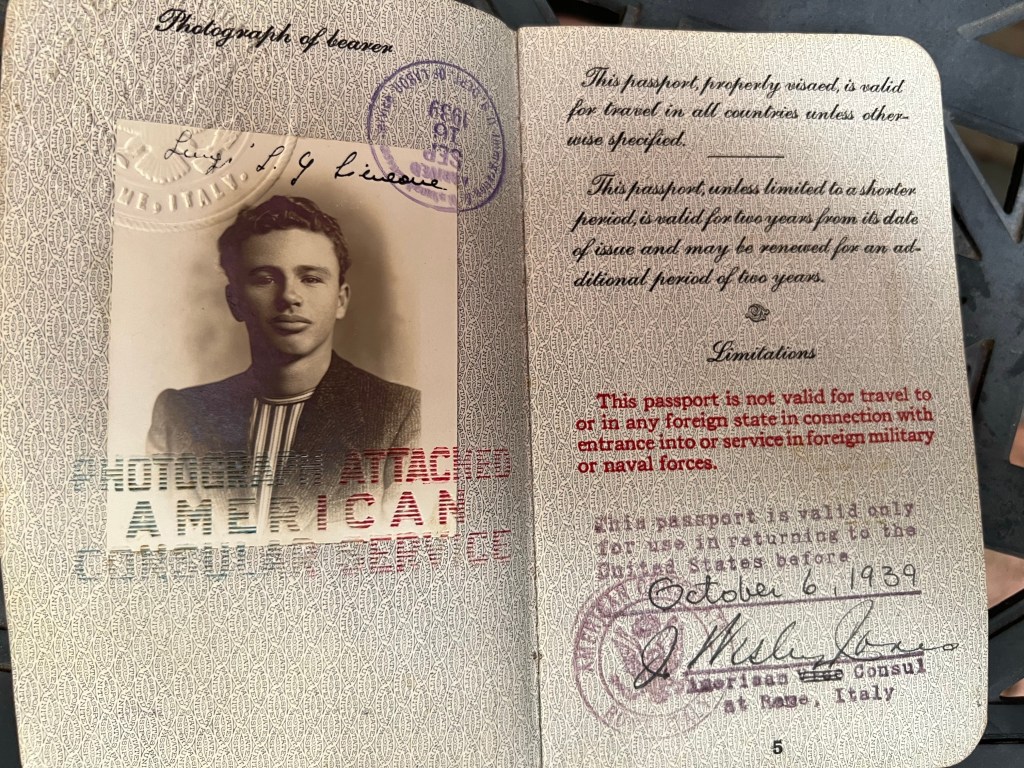
So did I get any information that upended my sense of self? I actually knew most of the general outlines of what Mr. Trovarello found. There was something moving, though, about seeing the names and dates, documenting that yes, these people were real, and they are part of a long history that, ultimately, includes me. Was I moved to tears, like on Finding Your Roots? If I were going to cry about anything, it would be that I only half-listened when my parents talked about their relatives, family histories, and their own life stories. Now, I would give anything for even half of the information I ignored.
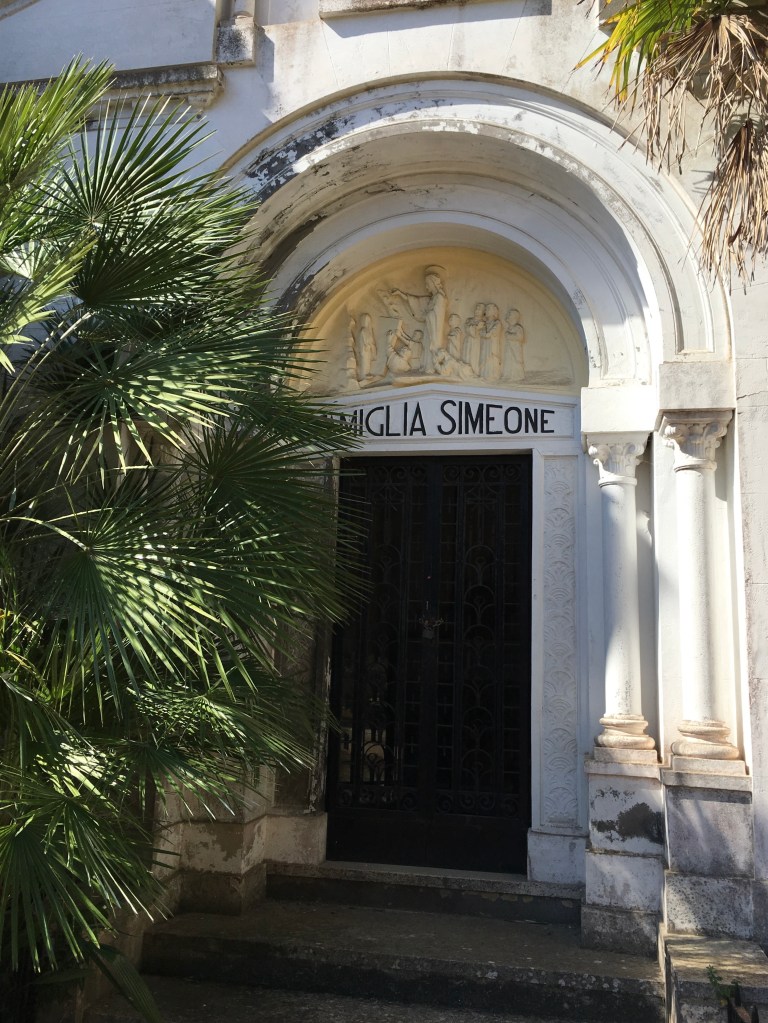
 Gigi's Italia
What a wonderful gift!! A few years ago I went to Boston to the Hall of records and found outdo quite a bit about my Dad. He arrived inn the US when he was 17 with 14.00 dollars!!!!!! and by the way my middle name is Angela! and of course Louis or Luigi ram the gamut, thanks for sharing I may contact this man as I do not have any info on my Mother’s side. Happy belated birthday, love anna
>
LikeLike
Anna – Do you happen to know if your brother was in Italy as a very young child? Mr. Trovarello found that on May 24, 1934, my grandfather arrived in New York on the SS Conte Verde with Luigi Simeone, age 3, Nicola Simeone and Maria Simeone, by marriage. I know it couldn’t have been my father, who didn’t come until 1939, as you know.
LikeLike
An inspired gift! I share your regret in not listening with full attention to the family lore our parents tried to pass down to us.
LikeLike