

I am no big intellectual. I have always been a “good enough” student with not much effort, as long as I wasn’t in a class–like science, math or foreign language – that had right or wrong answers. Unlike most of my classmates at the institutions I attended, I wasn’t driven to get As. Even though I ended up with a PhD, it was more a one-foot-in-front-of-the-other achievement, than a Herculean dive into a subject I felt passionate about.
Over the past ten years or so, all that has changed. Starting with the Messors art conservation program I did in Puglia in 2018, and continuing with this blog, my interest in all things Italian has exploded, and I find myself attending all manner of programs and activities that I would never have considered before. I go to neighborhood festivals and blockbuster museum exhibits; I read books by Italian authors (in Inglese, of course) and watch incomprehensible Sicilian detective series; I make my friend watch Pasta Queen with me, and the list goes on and on.
In the parlance of the college campus where I work: I’ve designed my own major.
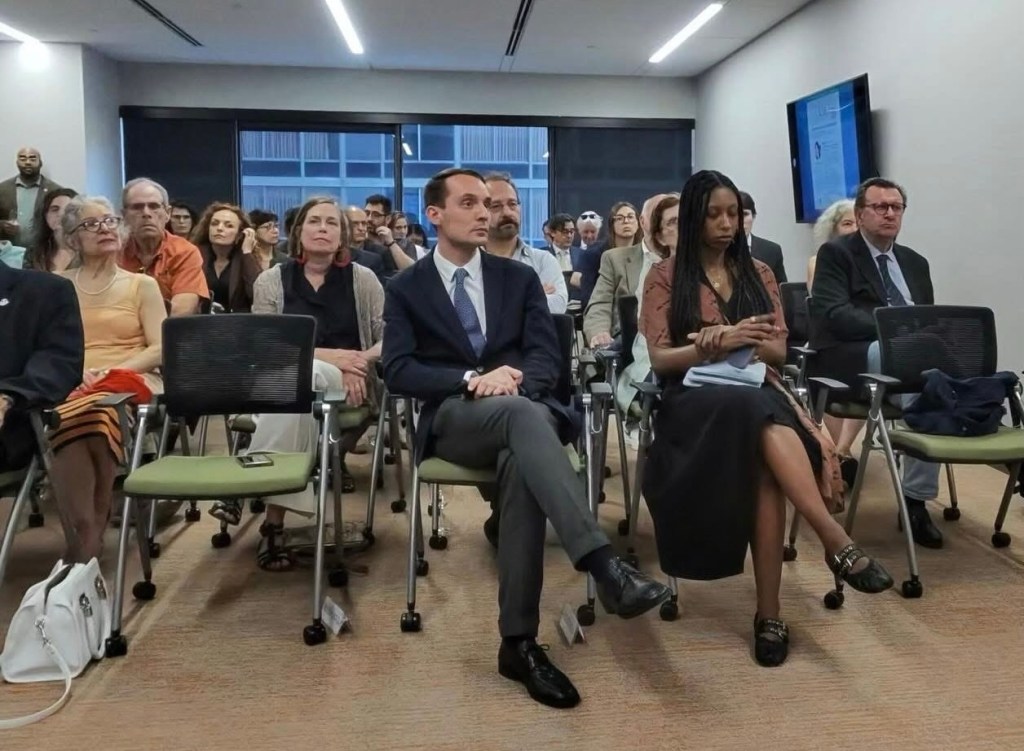
In fact, just in the last month or so: I learned that the Consulate General of Italy in Philadelphia was sponsoring a lecture series “Shaping the United States: Italian Contributions and the Philadelphia Legacy” as part of the America250 celebration.
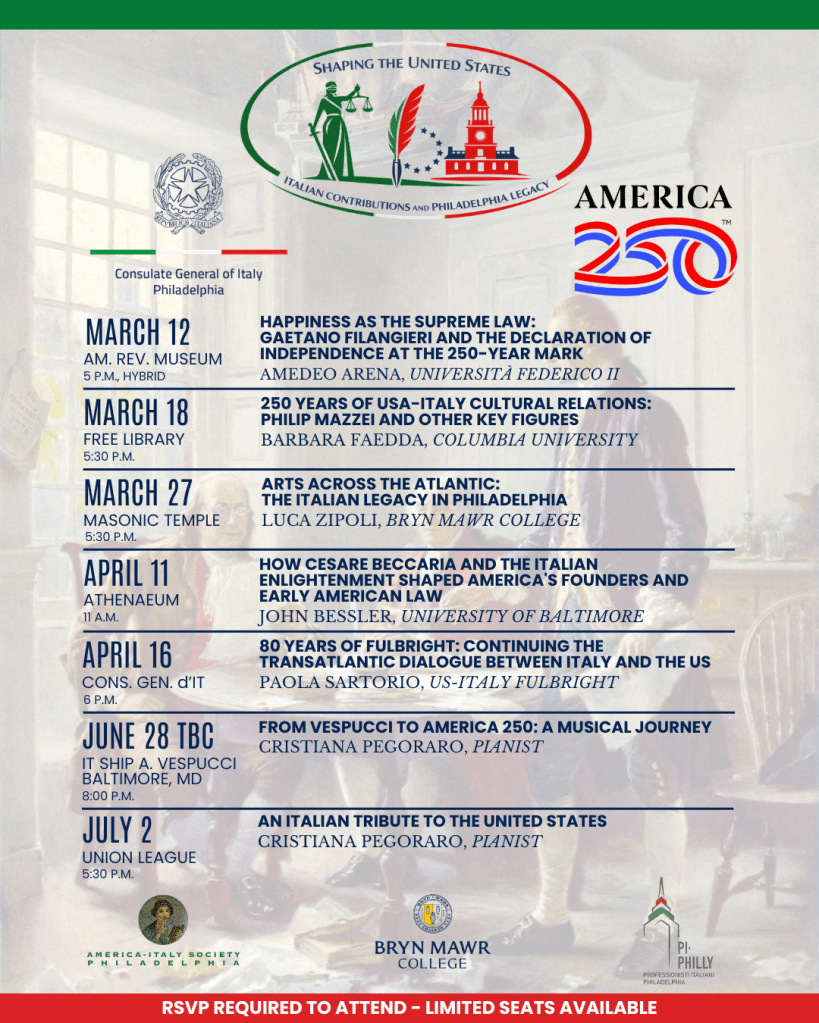
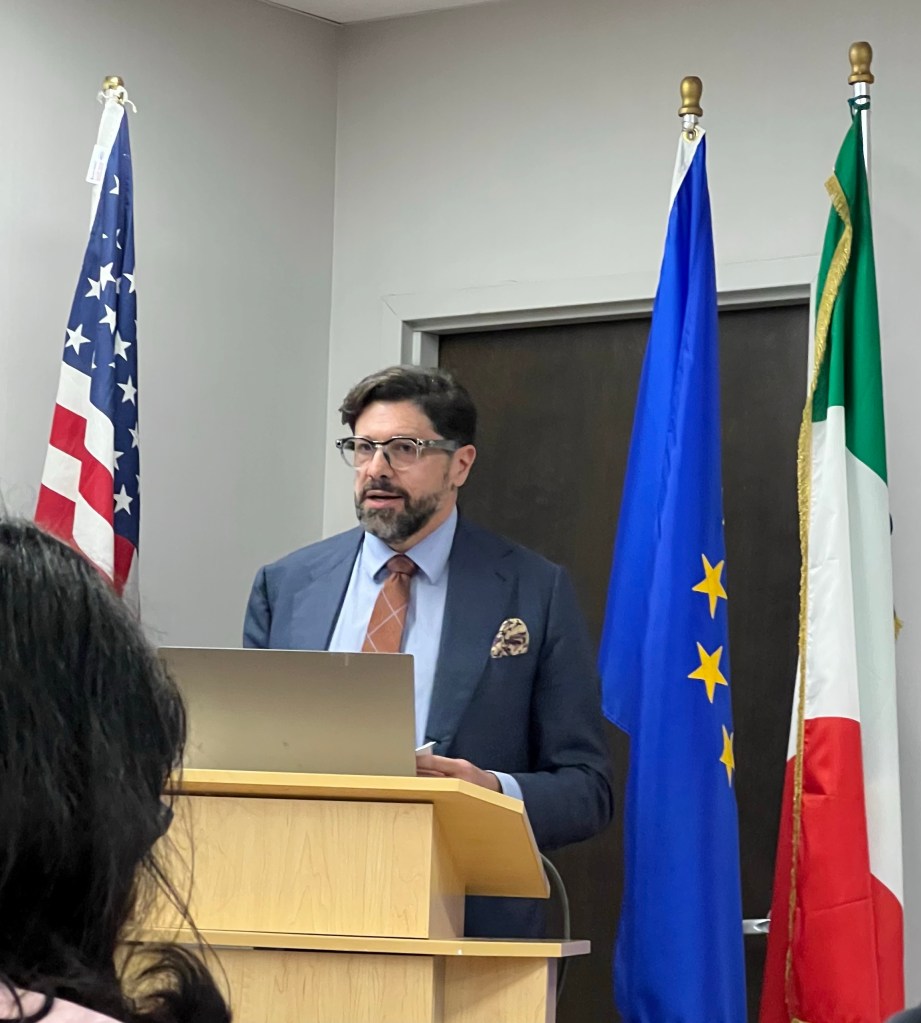
So I’ve taken the train into Philly three times: first to hear a lecture on the impact of Italian philosophers on our Founding Fathers, second to learn about the Italian influence on Philadelphia architecture, and third to hear former Fulbright scholars talk about the importance of the U.S.-Italy cultural exchange. None of these are topics I would have naturally been drawn to, but now that it’s my major, I shlep into the city and attend with great enthusiasm. Occasionally, something is a bust–I couldn’t make heads nor tails out of a campus talk about the impact of environmental toxins on endometriosis rates in Naples.
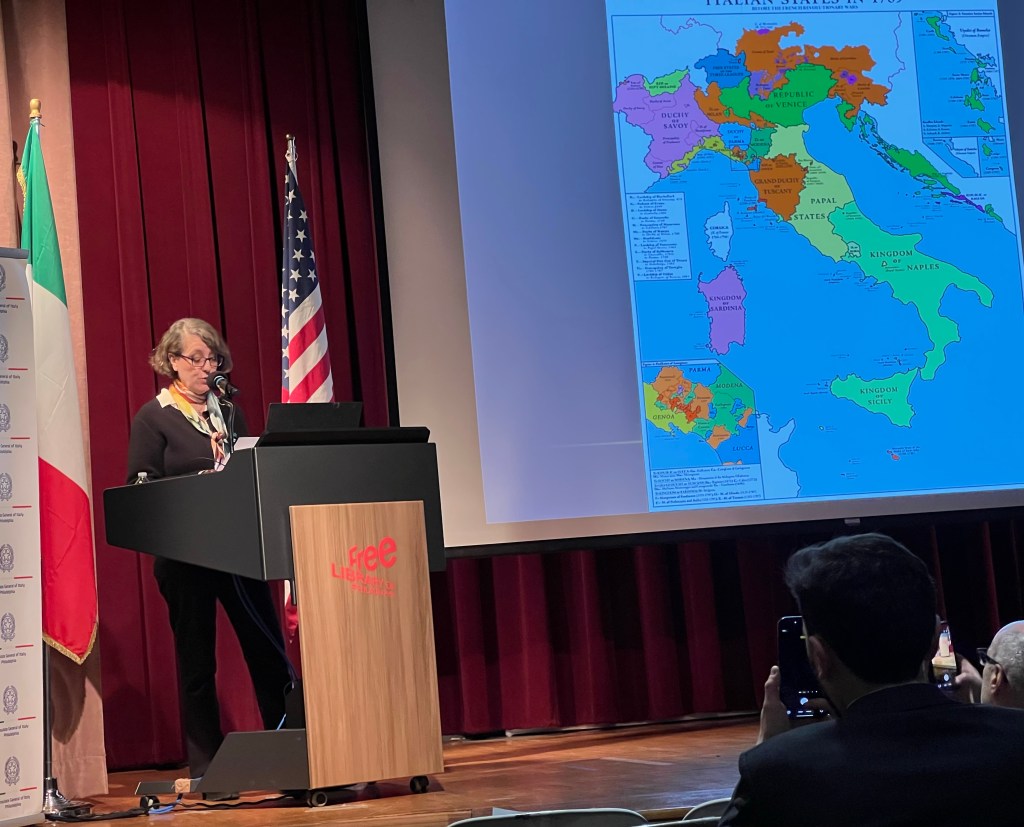
But for the most part, I love being a part of the scene: hearing the Consul General Nico Frandi welcome the audience, eavesdropping on all the people speaking Italian, admiring everyone else’s sense of style.
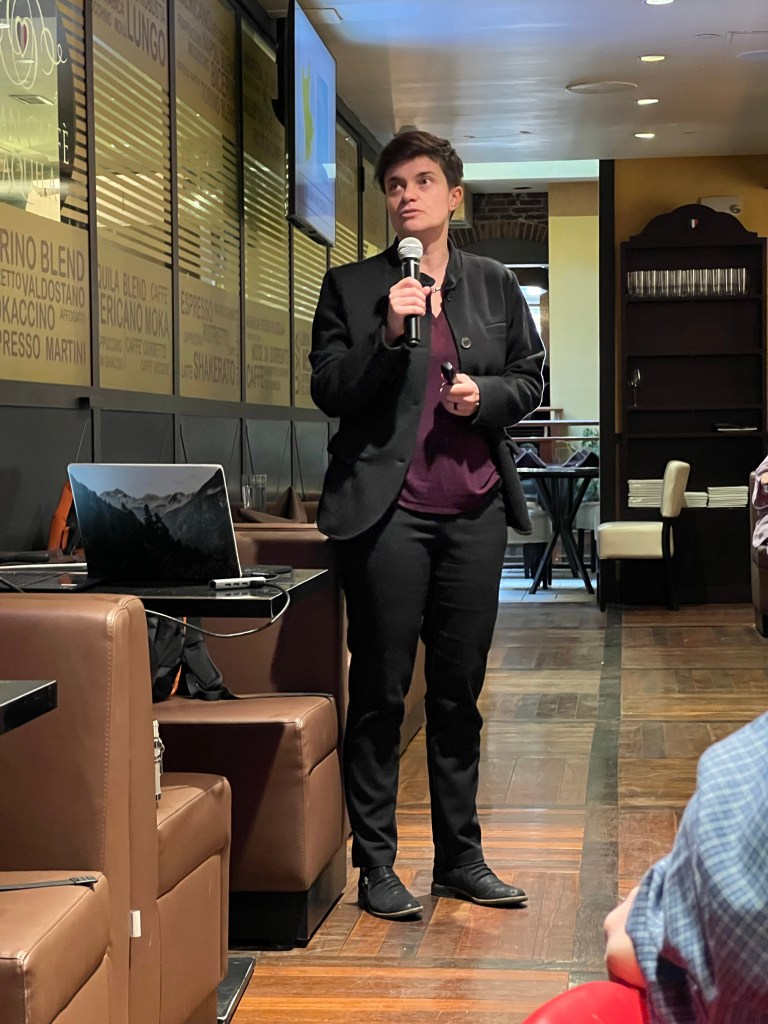
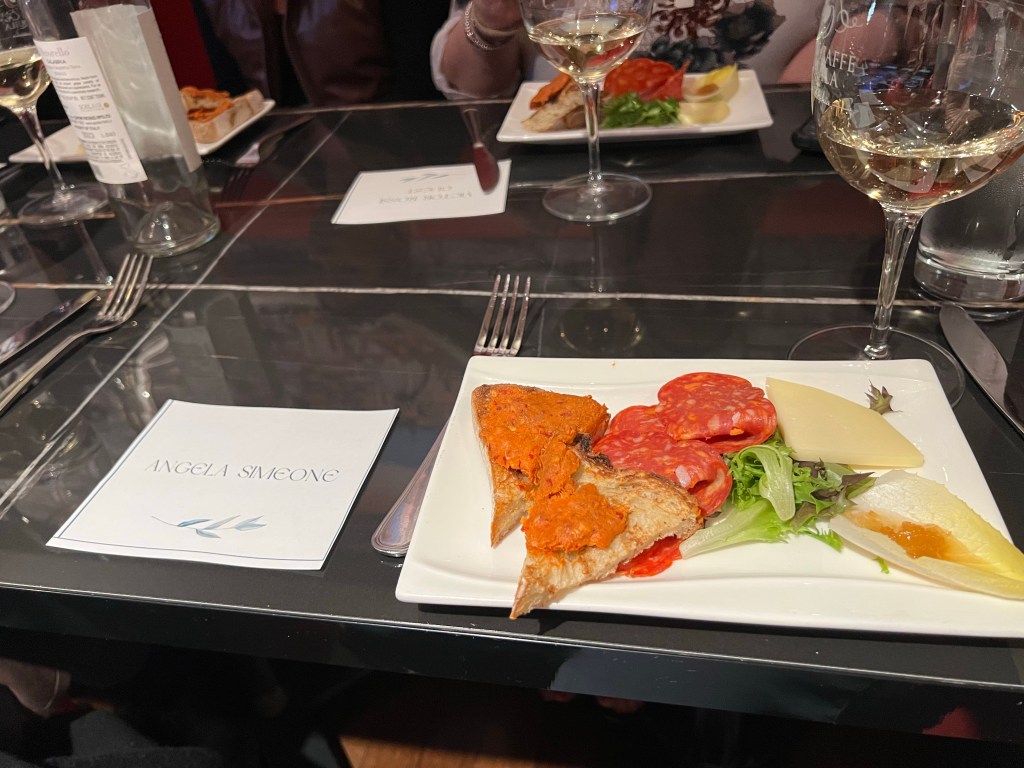
Also in the past month, I attended a special lunch program, sponsored by the American-Italy Society, on the foods of Calabria, at Gran Cafe L’Aquila. Not only did we sample the spicy ‘nduja-inflected cuisine, but we heard Professor Manuela Tripepi, a native Calabrian who is on the biology faculty at Thomas Jefferson University, tells us about the history, customs and food of this totally non-touristy region that makes up the toe of the Italian boot.
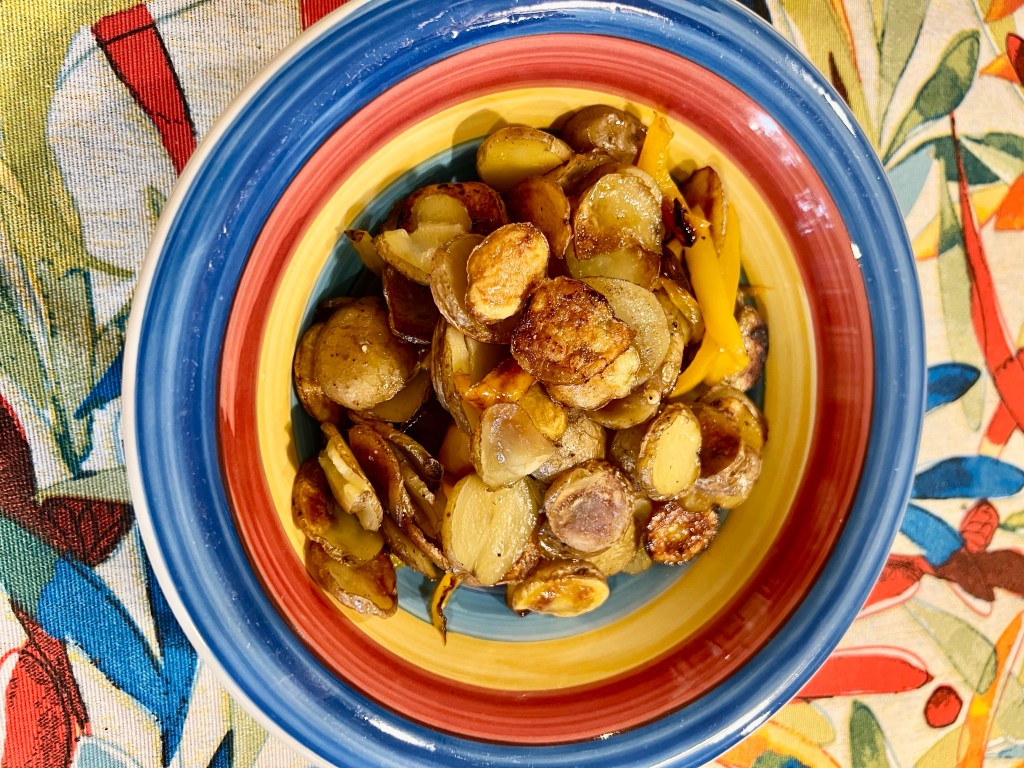
At home, I was inspired to try to make one of the local specialties she spoke about–patate ‘mpacchiuse–where the potatoes should kind of stick together. Mine came out perfectly edible, but without the desired effect, so I will keep trying until I perfect it.
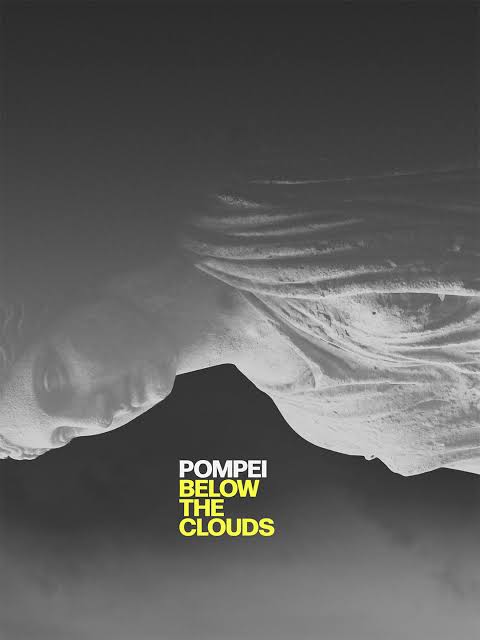
The day it became available on Mubi this month, we signed up for a one-week trial so I could see a documentary–Pompei: Below the Clouds, about a day in the life of Naples, in the shadow of Mount Vesuvio. My favorite part centered on the emergency call center – their 911 equivalent – on the day of a minor earthquake. Because of Italy’s history with earthquake devastation, many callers, particularly the elderly and the lonely, were especially upset and alarmed, and the film is a moving tribute to the switchboard operators who treated every caller–even the crazy ones–with care and respect.
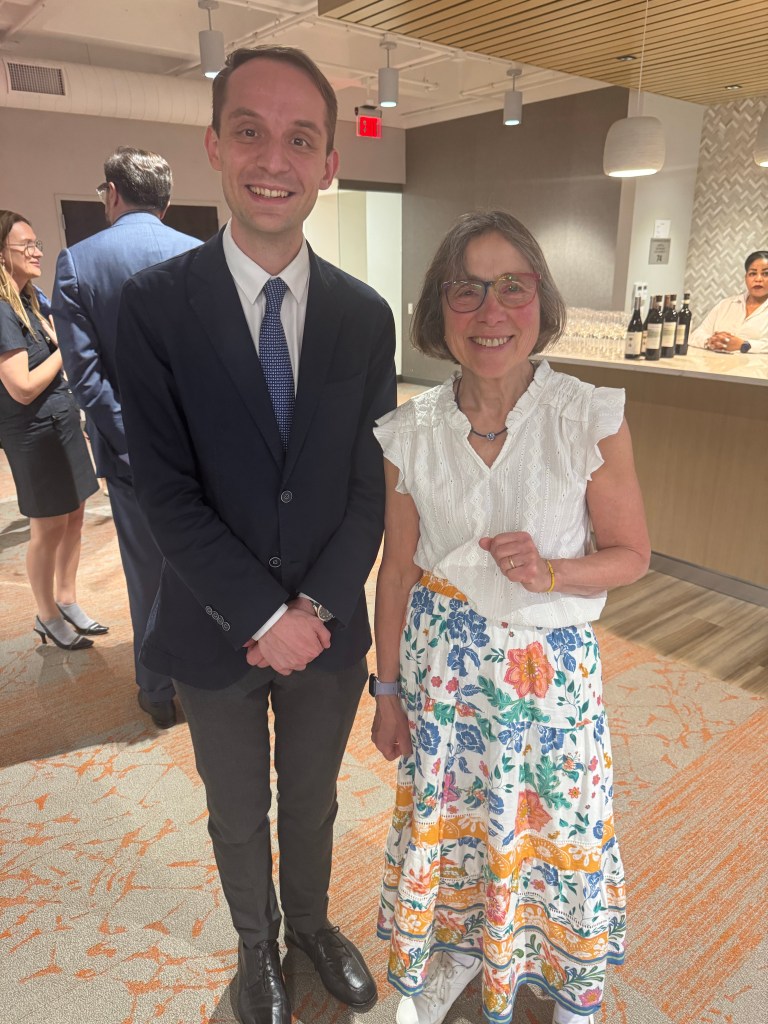
I recently started an employee group at my college for faculty and staff interested in Italian culture, I guess our version of an Italian majors club. We have big plans coming up–a talk by Luca Zipoli, my new faculty friend at nearby Bryn Mawr College, and a pasta-making class. In the meantime, a subgroup of us meet every three weeks or so to speak Italian over lunch. For me, this is in addition to my Monday night Italian conversation group which has been meeting in one form or another for more than fifteen years. One might expect that from all this opportunity to practice, my Italian would have improved at least a little, but sadly, age seems to be taking me in the other direction. Thankfully, my self-designed major is grade-free.
When all this activity of the past month is laid out like this, it seems like a lot. But it’s not a lot if you love it. And I have found that a little bit of knowledge only makes me hungry for more. I remember the educational philosophies that were in vogue in the 1970s: that children would be be drawn to learning through their natural curiosity and that college students didn’t need grades as motivation. At the time, it seemed naive to me. Now I get it, but I think they had the wrong targets in mind. The sweet spot is actually septuagenarians.


Ciao Gigi,
This is wonderful! You are so fortunate to live close to all these Italian culture experiences……..except when it’s winter and there’s all that snow.
While once a year we do have Spoleto in Charleston, that’s about all one can find within driving distance. But those events are usually so crowded and chaotic that I’ve chosen not to participate.
We were supposed to be in Italy all of April and May but Ray fell again. This time 18 stitches in his face. Whether or not we go in the fall depends on our health and this current regime as the price of airline tickets is increasing rapidly as are hostilities. Never thought I’d live to see this happen in our country.
I hope you are well. I enjoy your missives immensely.
Donna
>
LikeLike
Nice, Gigi. The one-quarter Calabrian in me appreciated those specialties. Ben looks intense! Andy
>
LikeLike